This is the next post in a series about trading the Wheel Strategy. To start at the beginning, go to The Wheel Strategy – Introduction.
[Disclaimer: I’m not now, nor have I ever been, a financial advisor. Don’t do what I do just because I do it, I am not responsible for your decisions. Learn and do for yourself, take responsibility for your own decisions.]
So, here’s some basics that you do need to know:
Options represent shares of stock
Options deal with 100 share increments of a stock.
In other words, if you buy or sell 1 option contract, and it is exercised, then that means that you will buy or sell 100 shares of that stock.
Another way to look at it is that options have a multiplier of 100.
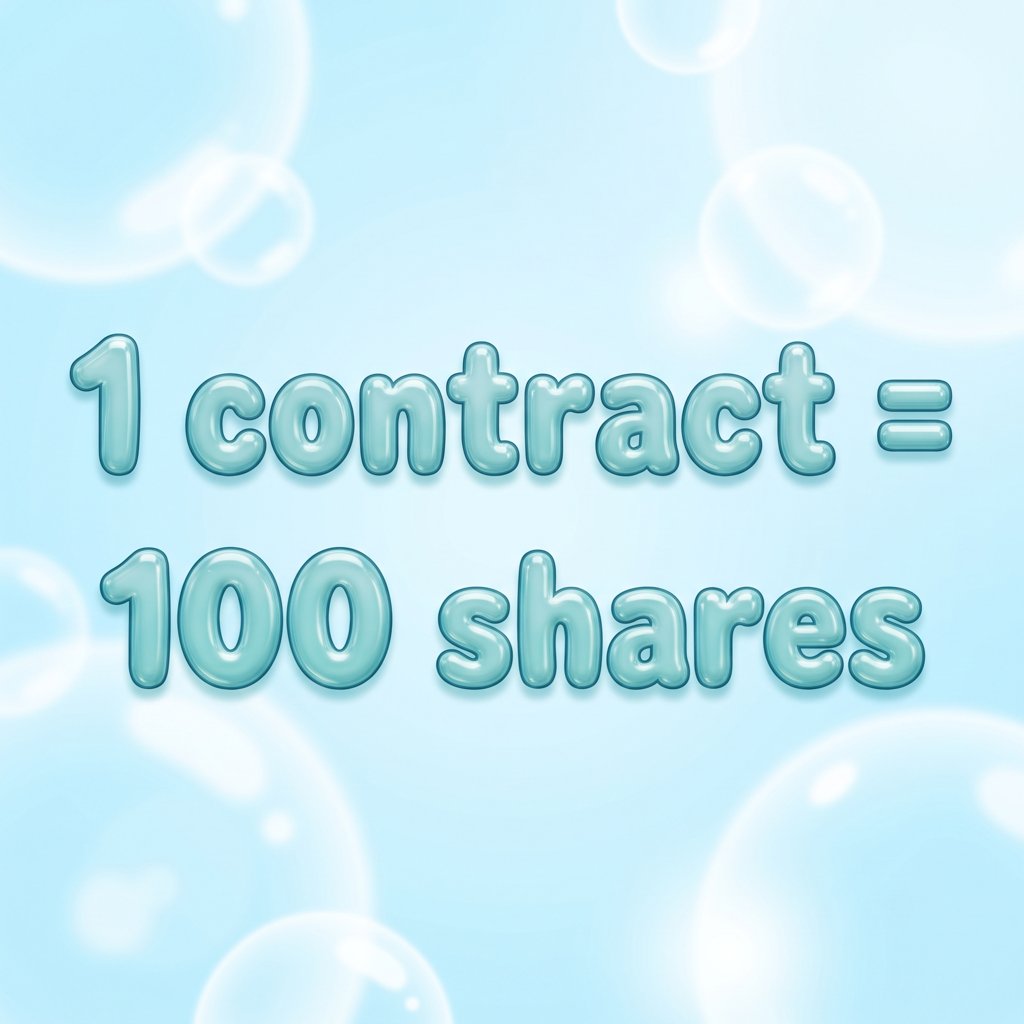
For example, if you want to buy or sell one option contract of Home Depot and the option price is $0.18, that means the actual price of the contract is $18.00 (0.18 x 100) or .18 per share for 100 shares.
Two contracts at .18 means your actual price is .36 per share, so $36 for 200 shares.
I don’t know why they did it that way. If one contract is for 100 shares it seems easier to make it $18 rather than $0.18×100.
But they didn’t bother asking me what would be the easiest way to understand it.
Options have fees

There are also commissions and fees which can vary a little from broker to broker but definitely varies from market to market.
In other words, stock options have different commissions and fees than futures options do.
Options are not universal nor everlasting
Not all stocks have options, and not all stocks have the same option availability.
In other words, stocks that have options can be weekly, or monthly, or quarterly, etc.
And lastly, as indicated above options have an expiration date.
What happens at expiration depends on if your option is In the Money (ITM), At the Money (ATM) or Out of the Money (OTM)
They will either expire, or exercised meaning you will automatically sell or purchase 100 shares for each option contract you sold.